Side Income For Dads
We Tested 5 "Side Hustles For Busy Dads" In 2026. Here's What Actually Works.

If you've spent any time on your phone after the kids went down, you've probably seen the ads.
"Make money with AI." "Quit your 9-to-5 in 30 days." "This side hustle changed my life." They're everywhere. And if you're a dad with a full-time job and about twenty minutes to yourself once the house finally goes quiet, most of them sound like they were written for somebody else — somebody with more hours, more capital, or fewer people depending on them.
So we decided to test them properly. Over the past 3 months, we evaluated the 5 most popular "AI side hustles" being pitched to guys in exactly that position right now. Not the hype. Not the promises. Just: what does it actually cost, how long until real money, and is it realistic for someone with a job, a family, and no spare hours?
The results surprised us. Most of these "easy" businesses are anything but easy once you're doing them on top of a 9-to-5 and a bedtime routine. A few are genuinely interesting. And one stood out so far ahead of the rest that it barely felt like the same category.
Here's what we found.
How We Evaluated Each Side Hustle
Before we ranked anything, we set five criteria. Every model was scored against the same standards:
- Startup Cost: How much do you actually need to spend before you can make your first dollar?
- Time to First Revenue: How long from "I just signed up" to "I just made a sale"? Days? Weeks? Months?
- Daily Time Commitment: Can you run this in the margins of a full-time job and still make it to dinner, or does it quietly become a second job?
- Technical Skill Required: Do you need to know funnels, copywriting, video editing, or coding?
- Done-For-You vs. DIY: Are you building everything from scratch after your shift, or is the infrastructure already in place?
With those criteria locked, let's get into the rankings.
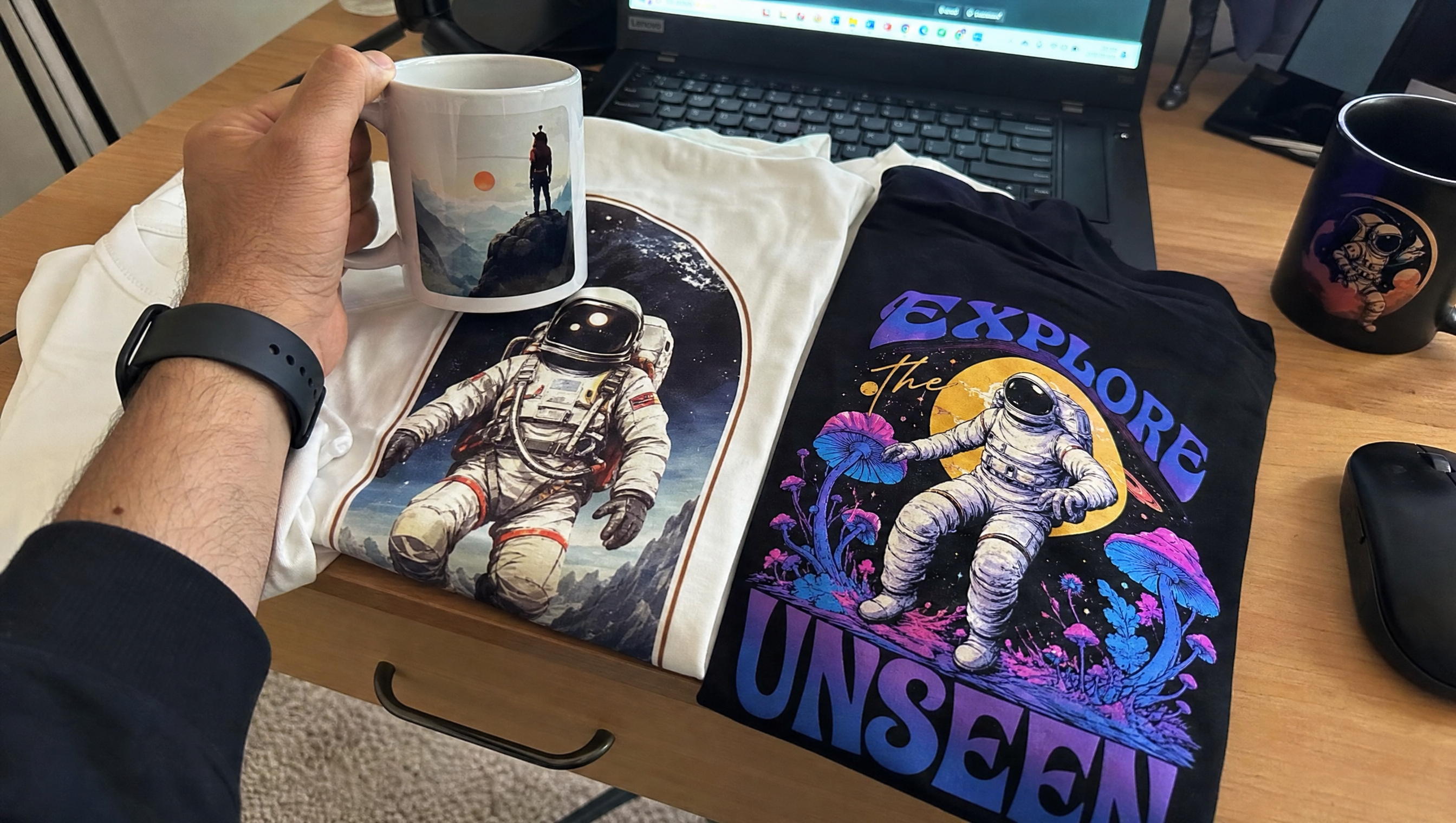
The idea is simple: use AI image generators (Midjourney, DALL-E, Leonardo) to create designs, upload them to print-on-demand platforms like Redbubble or Merch by Amazon, and earn royalties every time someone buys a t-shirt, mug, or phone case with your design.
The problem? The market is absolutely flooded. Millions of AI-generated designs are being uploaded every week. Margins are razor-thin (you might earn $2–4 per sale), and standing out requires either incredible volume or genuine design skill.
Most guys we talked to who tried this spent 2–3 months uploading hundreds of designs before seeing consistent sales. And "consistent" meant $50–100/month. That's not nothing, but it's not the kind of number that changes what you tell your family about summer plans.
- Very low barrier to entry
- Completely passive once listed
- No inventory or shipping
- Extremely saturated market
- Very low margins per sale
- Months before meaningful income
This covers guys using ChatGPT, Claude, or other AI tools to deliver freelance services faster: copywriting, social media management, email marketing, graphic design, even coding. The pitch is that AI lets you do 10x the work in the same time, so you can take on more clients and charge more.
This is a legitimate model. Skilled freelancers using AI well are genuinely earning more. But there's a catch that nobody talks about: you're still trading time for money. AI makes you faster, but you still need to find clients, manage projects, hop on calls, handle revisions, and deal with scope creep — usually the same evening hours you'd rather be spending at the dinner table.
You also need an existing skill to amplify. "I use ChatGPT" is not a service. You need to be a good writer who uses AI, or a good designer who uses AI. The tool makes good people better. It doesn't make beginners competitive.
- Can earn real income quickly
- Low startup cost
- Flexible schedule
- Still trading time for money
- Requires existing skills
- Client acquisition never stops
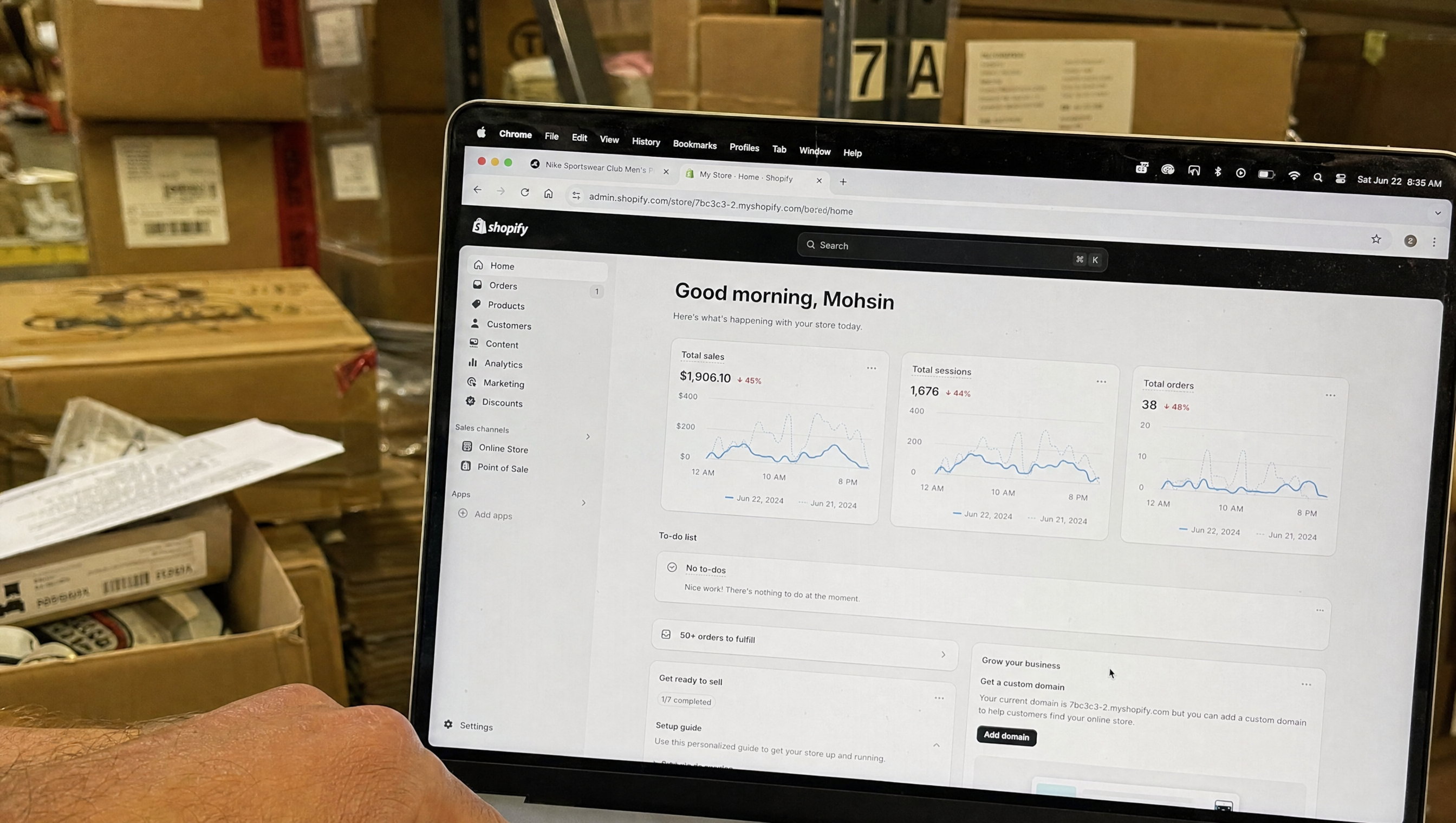
Dropshipping has been around for a decade. The 2026 version uses AI tools for product research, ad copy, customer service chatbots, and store design. Platforms like Shopify plus tools like AutoDS or Zendrop make it easier than ever to set up.
The "easier than ever" part is misleading. Yes, AI helps with certain tasks. But you still need significant ad spend to test products ($500+ before you find a winner) — real money out of a household budget that's already tight most months — and you deal with supplier issues, shipping delays, customer complaints, and refund requests. Profit margins are typically 15–25%.
The biggest issue: you're building on rented land. One Facebook ad account ban (which happens constantly in this space) and your entire business goes dark overnight — along with whatever you put into it.
Some guys make it work. But "some" is doing a lot of heavy lifting in that sentence.
- Proven business model
- Scalable with ads
- No product creation needed
- High upfront ad spend risk
- Thin margins, supplier headaches
- Customer service burden
- Account bans are common
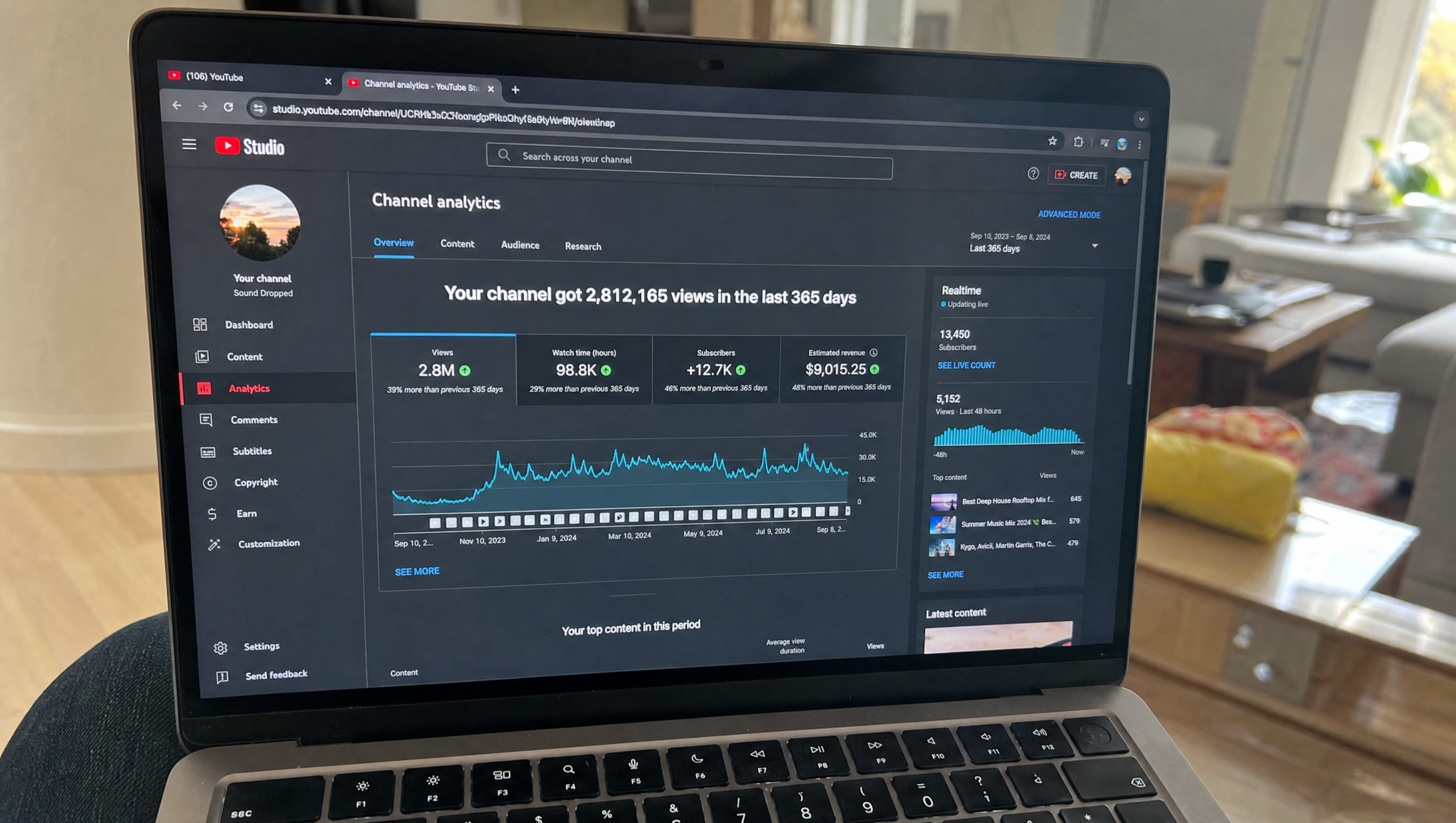
This has exploded in popularity. The model: use AI to write scripts, generate voiceovers (ElevenLabs, PlayHT), create visuals, and upload videos to YouTube without ever showing your face. Revenue comes from AdSense, affiliate links, and sponsorships.
There are real success stories here. Some faceless channels earn thousands per month from AdSense alone. But what the gurus don't mention is the timeline.
YouTube requires 1,000 subscribers and 4,000 watch hours before you can even apply for monetization. For most new channels, that takes 3–6 months of consistent uploading. And "consistent" means 3–5 videos per week, each taking 2–4 hours to produce even with AI — hours that, for a guy with a job and kids, mostly don't exist.
You also need to understand YouTube SEO, thumbnails, retention strategies, and content planning. It's a skill-intensive model dressed up as "just let AI do it." AI helps with production. It doesn't solve distribution, and it doesn't solve the fact that you have a bedtime routine to run.
We ranked this #2 because the ceiling is genuinely high. Channels that break through can generate significant passive income. But the path there requires patience, skill, and a willingness to publish 100+ videos before seeing meaningful money — on hours most dads simply don't have to give.
- High income ceiling
- Genuinely passive once established
- Multiple revenue streams possible
- 3–6 months to monetization
- Requires consistent output
- Competitive, algorithm-dependent
- Video production still takes hours
The Pattern Nobody Talks About
Before we reveal the #1 pick, look at the four models above. They're all different businesses. Different platforms, different skills, different timelines. But they all fail a busy dad for the exact same reason.
Every single one sells you education and then expects you to build the infrastructure yourself — on the same hours you were already short on before you started.
The YouTube course teaches you how to make videos. But you still have to learn SEO, design thumbnails, figure out monetization, and publish 100+ times before anything happens — on top of a full shift and a bedtime routine.
The dropshipping program teaches product research. But you still have to build a store, run ads, manage suppliers, and handle customer service. The freelancing guide teaches AI tools. But you still have to find clients, write proposals, manage projects, and deliver work — usually at 9 PM, instead of sitting with your family.
Every model hands you a set of instructions and says "now go build the machine." In the hours you don't have.
We started calling this the infrastructure gap. It's the distance between "I know how this works" and "I actually have everything set up and running." And it's where the vast majority of side hustles for dads go to die. Not because the guy was lazy or undisciplined. Because the gap was too wide, too complex, and too expensive to cross alone, in the margins of an already full day.
The #1 pick on our list doesn't just narrow that gap. It eliminates it entirely.
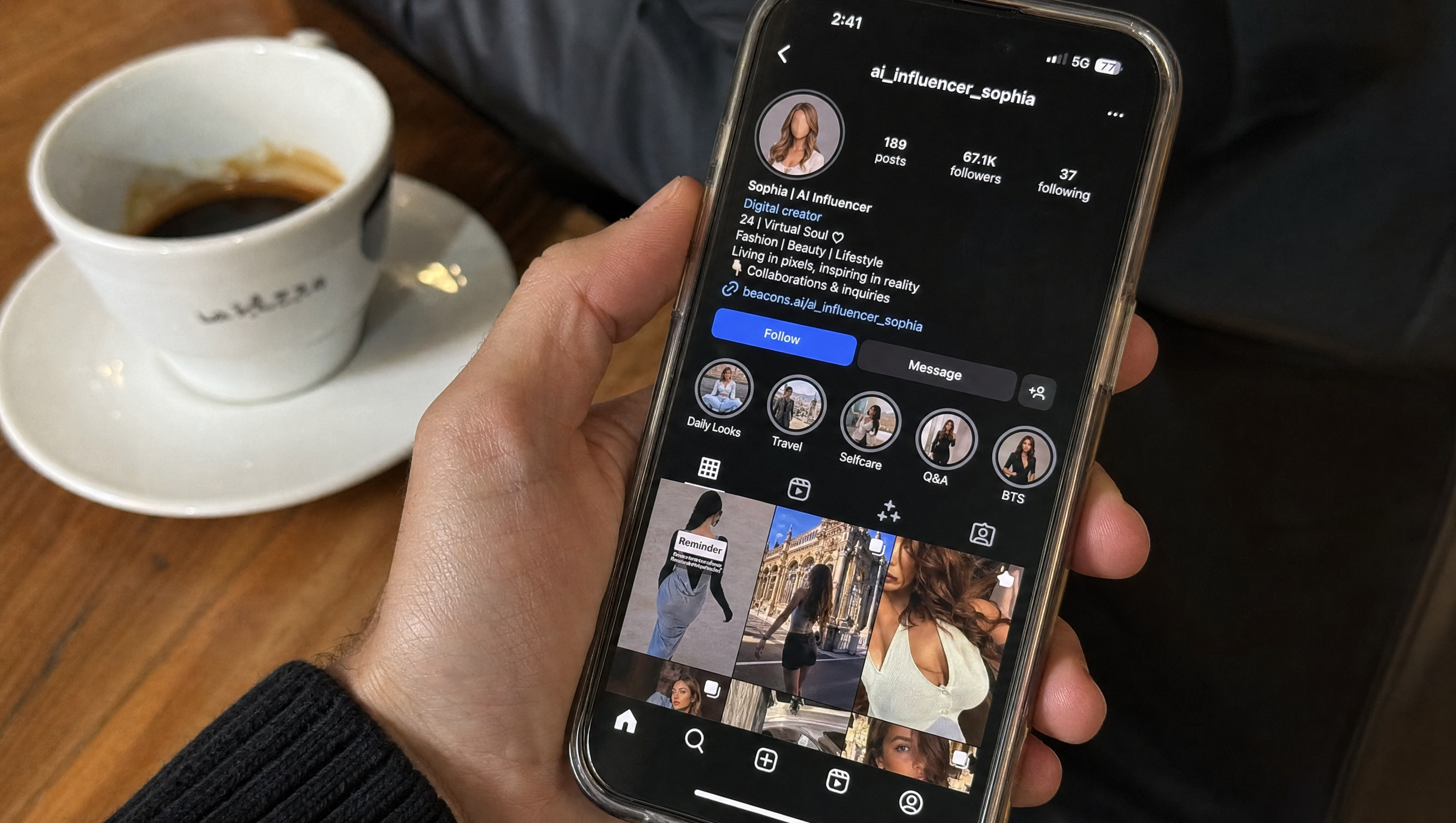
This is a business model we genuinely didn't expect to rank this high. But the numbers — and the fact that it's the only model on this list that doesn't ask for hours you don't have — forced our hand.
Here's how it works.
You sign up and a custom AI influencer is built for you within 24 hours. Not a generic template. A fully designed digital persona with multiple angles, settings, and scene libraries. Think of it like a character that exists across all the major social platforms.
You get access to 9 content creation systems that generate platform-ready content: short-form videos, carousels, viral slideshows, podcast clips, speaking clips, and more. There's a library of 1,500+ proven hooks. A masterclass with 35 lessons. Pre-built bridge pages, sales pages, and automated DM systems.
But the part that really sets this apart is the offer catalog.
Instead of spending weeks or months finding a product to sell, you get access to a curated catalog of proven digital offers. These are offers already generating significant daily revenue across the portfolio. You pick one, plug it in, and your content drives traffic to it.
Revenue is split 70/30 in your favor. You keep 70% of every sale your content generates. The platform takes 30% to cover the offers, the tech stack, and the customer service, refunds, and fulfillment on their end. You handle posting content. That's it.
Why This Model Actually Works (The Mechanism Most People Miss)
Every other model on this list asks you to become something: a designer, a freelancer, a store owner, a YouTuber. Every one of those asks for hours you don't have after a full shift and a bedtime routine. This one asks you to do one thing: post content for 15 minutes a day.
But the real reason this works isn't what they removed. It's how the business model is structured underneath.
Think about every course, program, or system you've ever seen. The company makes its money when you buy. Your $997 or $2,997 hits their account on day one. Whether you succeed or fail after that doesn't affect their bottom line at all. So there's no financial pressure to make the product actually produce results for you. They already got paid.
This model flips that completely.
The platform earns when you earn. That 70/30 split isn't a fee you pay. It's the engine that makes everything work. It means the platform has direct, ongoing financial incentive to make your business succeed. Every content system they build, every offer they curate, every automation they set up exists for one reason: to help you generate sales. Because that's how they generate revenue.
That aligned-incentive structure explains everything:
Why the infrastructure is so complete (they need you operational fast). Why the offers are pre-vetted and already generating revenue (they only make money on offers that convert). Why the refund rate is 0.6% (people are getting results, so they stay). And why the community has 32,000+ active members instead of a ghost town of guys who bought a course and never logged in again.
The Numbers That Back This Up
Claims are easy. Data is harder to fake. Here's what we found when we looked at the largest platform operating this model:
32,000+ active members. Over $57,000 per day in combined portfolio revenue. More than 22,000 sales processed. And a 0.6% refund rate.
That last number matters more than all the others combined. For context, the average refund rate for digital products in this category runs 8–15%. Some programs hit 25%. A rate under 1% at 22,000+ transactions means the overwhelming majority of people who signed up found enough value to keep going. That doesn't happen with products people regret buying.
And it makes sense when you understand the mechanism. When the platform only earns money from your success, they're incentivized to make the product genuinely useful. Not "useful enough to avoid chargebacks." Useful enough to generate ongoing sales. That's a fundamentally higher bar, and the refund rate reflects it.
We couldn't independently verify every member's individual results (and you should always be skeptical of aggregate claims). But the refund rate, the scale of the community, and the infrastructure we saw during testing all pointed in the same direction: this is working at a level we don't often see in this space.
Who This Is For (and Who It's Not For)
This is built for dads who want a second income but don't want to spend months learning how to build one from scratch. Guys with full-time jobs. Guys who get fifteen to twenty minutes between the last task at work and the moment the kids need them. Anyone who's tried DoorDash, a dropshipping store, a wholesaling course, or an MLM a buddy pulled them into, and hit the wall of "I don't know what to do next" — or quietly told themselves "maybe I'm just not built for this."
It's not for guys who want to build a personal brand or put their face on the internet. It's not for guys who need to control every aspect of their business. And it's not a "get rich quick" scheme — like any business, results depend on consistency. The guys who post content regularly earn. The guys who sign up and do nothing, don't.
But if you're looking for the lowest-friction entry point into a second income — one that doesn't ask you to trade the hour you'd spend with your kid for the hour you'd spend building someone else's dream — this is the strongest model we tested.
What This Actually Looks Like Day To Day
You're up before the house is — 5:45, maybe earlier. Coffee hasn't finished brewing yet when you open the app, pick from the content your system already generated overnight, and post it. That takes about 7 minutes.
By the time you're making lunches or dropping the kids at school, that content is already live. The automation handles incoming DMs. The bridge page handles the pre-selling. The offer page handles the conversion. The platform handles fulfillment, customer service, and refunds.
You check the dashboard on your commute, or at lunch. Maybe there's a sale notification. Maybe there isn't yet. Either way, the system is running in the background while you're at your actual job, doing the thing that actually pays the mortgage.
You didn't build a funnel. You didn't write sales copy. You didn't source a product or negotiate with suppliers. You didn't spend the hour after dinner on a Zoom call with a client instead of at the table with your kids.
You posted content for 7 minutes and went about your day.
That's not a fantasy. That's just what happens when the infrastructure gap doesn't exist — and when "a few hours a week" isn't a euphemism for another unpaid second job stacked on top of the one you already have.
- $27 to start (lowest cost by far)
- Everything built for you in 24 hours
- No face, no tech skills, no product creation
- 15 minutes/day content posting
- Proven offers with tracked commissions
- 32,000+ members, massive community
- 180-day money-back guarantee
- Revenue split (you keep 70%, not 100%)
- Results require consistent posting
You'll see exactly what's included, member results, and the 180-day guarantee.
Side-By-Side Summary
Here's how all five models stack up against our evaluation criteria:
| Rank | Model | Cost | Revenue In | Daily Time | DFY? |
|---|---|---|---|---|---|
| #1 | AI Influencer Portfolio | $27 | 24–72 hrs | 15 min | ✅ Full |
| #2 | Faceless YouTube | $30–100/mo | 3–6 months | 2–4 hrs | ❌ DIY |
| #3 | AI Dropshipping | $500–2K+ | 1–3 months | 2–4 hrs | ❌ DIY |
| #4 | AI Freelancing | $20–50/mo | 2–8 weeks | 2–6 hrs | ❌ DIY |
| #5 | AI Art + POD | $10–30/mo | 2–6 months | 1–3 hrs | ❌ DIY |
Common Questions We Get
We understand the skepticism — especially if you've been burned before. The "make money online" space has earned its reputation. But the data here tells a different story: 32,000+ members, a 0.6% refund rate, and a platform that's been operating and scaling for over a year. Scams don't maintain sub-1% refund rates at scale. They just don't.
"Do I need any tech skills?"No. If you can post on Instagram or TikTok, you can run this. The content systems generate the content. The automation handles the DMs. The offers are pre-built. You literally post and the infrastructure does the rest.
"How long until I see results?"The platform reports that members who post consistently often see their first sale within the first week. But "consistently" is key. This isn't a lottery ticket. It's a system that rewards daily action — 15 minutes a day, every day, the same window you'd otherwise spend scrolling once the kids are down.
"What do I tell my wife if she's skeptical? (Fair — we've probably both been burned before.)"Lead with the 180-day guarantee before anything else. This isn't a program where a few hundred dollars of household money disappears for months while you find out if it works. If it's not producing results, you get it back — even if you've used the whole thing. That's a much easier conversation than the one you had about the last thing you tried.
"Why is it only $27?"Because of the aligned-incentive model we described above. The platform doesn't make money from your $27. They make money from their 30% share of the revenue split when your content generates sales. So the $27 is just the entry point. Their real revenue comes from helping you succeed. That's why the infrastructure is so complete and the refund rate is so low. The entire business model depends on your results, not your purchase.
$27 one-time. 180-day guarantee. Your AI influencer built within 24 hours.